
The Ultimate Beginner's Guide to Exploring Your Palate

Blog by: Jayonna Wilbert June 18, 2025
Ladies, have you explored your palate lately?
Not only do I explore my palate often, but I’m going to show you how you can as well! One of the best ways I love and nurture myself is through the food I choose to consume. From delectable savory options, healthy mindful options, to decadent desserts. Knowing my palate and what my body best responds to has created a healthy relationship with food. Me and food have an understanding. So much so that I have been within the same weight range for almost 5 years. Since I was a child, I’ve had a rather unique palate. I was also obsessed with the Food Network. I was the only kid who would choose mustard instead of ketchup on my hotdog, my easy bake oven made more than just desserts, and I was helping in the kitchen at a young age. I’ve always been down to try different foods. Now, In my late 20s, my palate has only continued to mature. Since a child, I’ve always liked nutty flavors like almond and pistachio yet had a great dislike for chocolate until I discovered Kit Kats. I’m such a sweet over savory person yet when I got pregnant some of my first cravings were pickles, mustard, and hot sauce. Ladies' palates are so unique and deserve to be explored, discovered, and experimented with.

Do you know what your palate is like?
Are you open to exploring different flavors and combinations of herbs, essences, and textures? I’m a person who will try a dish as long as I know what it is. I may pass on bugs, but I’m open to the adventure of trying a food and seeing how my taste buds react to the new experience. Here recently, my palate has decided to change once again. Ladies it’s amazing what our bodies do and how they develop over the beautiful years of our lives! About a year ago, I hadn’t changed anything out of my regular grocery list. I began to have allergic reactions and would have symptoms where my lips would dry up, chafe, and bubble. My lip pigment began to change colors and have a very raw uncomfortable feeling to them. With the help of a coworker, I pinpointed the primary culprit… tomatoes! Tomatoes and tomato sauce. I had just began to stomach, the ability to eat raw tomatoes without force. If you’re familiar with the heirloom tomato it had become one of my favorites to cook with and eat by itself. The same allergic reaction happened when I ate pineapple. Right after I had discovered the amazing effects pineapple juice had on inflammation in the body/joints. These were both foods that I loved and still eat to this day, with caution. Studying my new allergy I realized that these foods also share a lot of sciency stuff in common like their amino acids. I realized as I’m getting older my body is changing, new allergies in my late 20s! Turns out it is just a part of growth and this lovely journey we are on with our relationship with food.
As women our relationship with food is extremely important. As women our hormones, our stress levels, and our moods can be heavily impacted by the food we consume. There are nutrition friendly gals out there who won’t even let chicken hormones make it to their kitchen. I won’t get into the organic, non-GMO world of grocery shopping and gardening, but those preferences can also tie back to your palate and your relationship with food. I’m sure you’ve heard the term “You are what you eat.” referring to diet recommendations and what not, but what if our palate is just another way to express ourselves and for others to understand us and our personalities better?
What does your palate say about you?
Think about your some of your favorite dishes, some of your favorite ingredients, and some of your preferences versus those of your loved ones or peers. Do you see yourself differently now? Do you think your palate can describe you and set you apart? Food brings people together. In this blog I want to focus on us as women and how our palate allows us to express ourselves. It’s those big girl changes from prepackaged bread loaves to fresh baked bread from the bakery. The palate is something to explore. It’s something to get out of your comfort zone with. Our palates can be so different from others yet we understand ourselves better than anyone! We know exactly what we like and what foods we want to consume. The preferences are endless! Uniqueness will never cease to exist as long as we have palates.

I encourage you to explore your palate.
Try some new recipes, new ingredients, and even new cookware. Exploring your palate is an adventurous way to practice self-care and treat yourself. In a romantic sense, that is also something you can slowly invite your partner into. Watching the Food Network since a child has definitely impacted my understanding of cuisine, different ingredients, and just the overall food world. Being able to experience fine dining with this keen sense of food acquired has been a lovely experience that never stops. Cooking is not only a household necessity, but at times it’s fun and tends to be a hobby. I find joy in picking fresh ingredients like garlic, basil, shallots, and making lovely luxurious meals that cater to my own palate. I remember lamb chops became a huge hit and when I finally tried them, they were way too gamey for my palate. Exploring your palate is an adventure, and you never know when an opportunity will arise.
Make it an experience

Exploring your palate isn’t just about food—it’s about self-care.
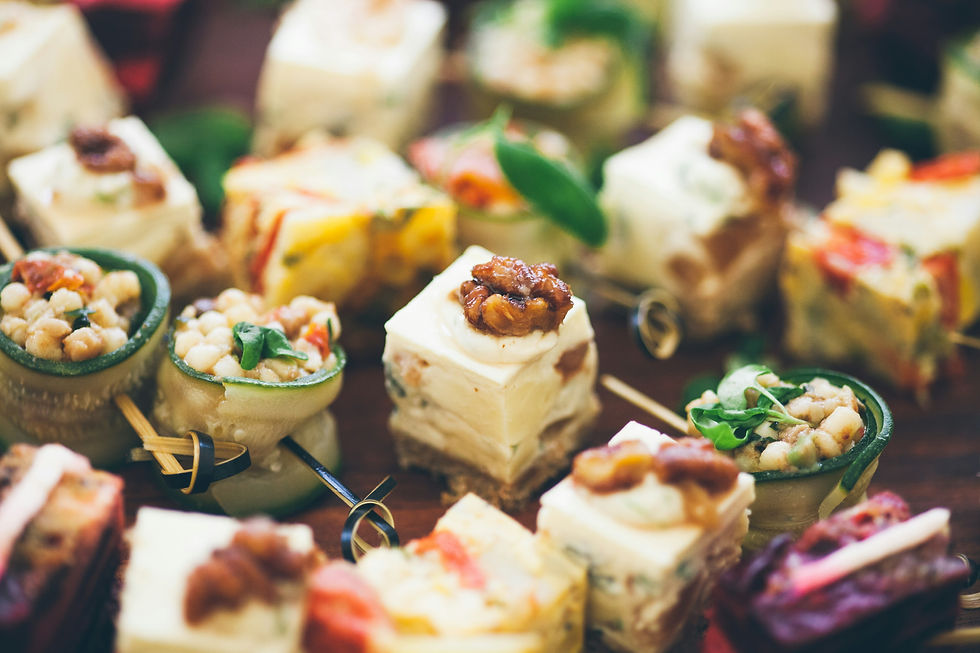
Host a tasting night with friends. Have a cocktail and mocktail party. Try dishes like:
Bruschetta
Bacon-wrapped dates
Charcuterie boards with cheese and wine
Hire a caterer and turn your exploration into a full experience. Go upscale or go cozy—just make it fun.
Trying new foods is like stepping into a new version of yourself. It’s exciting, it’s freeing, and it’s delicious.
A taste palate refers to a range of flavors or tastes that are experienced while eating or drinking. Just like colors in visual palates, a taste palate can encompass a wide variety of flavor profiles. Here's an overview of different categories and types of taste palates:
1. Basic Taste Sensations:
Sweet: Associated with sugars and naturally sweet foods like fruits, honey, and desserts. It often signals energy or comfort.
Salty: Comes from minerals like sodium and is often found in savory foods like meats, cheeses, and nuts. It can enhance other flavors.
Sour: A sharp, tangy taste found in citrus fruits, vinegar, and fermented foods. It can balance richness or sweetness.
Bitter: A strong, often sharp taste that is found in coffee, dark chocolate, kale, and some herbs. It can add depth or complexity to dishes.
Umami: A savory, meaty taste that is rich and full, found in ingredients like tomatoes, mushrooms, soy sauce, and aged cheeses.
2. Flavor Profiles:
Fruity: A vibrant and sweet-tart flavor reminiscent of fresh fruit like berries, apples, citrus, and tropical fruits.
Nutty: A rich, slightly sweet flavor found in foods like almonds, peanuts, hazelnuts, and sesame.
Smoky: A flavor that evokes the taste of smoked meats, charred foods, or spices like paprika and chipotle.
Herbaceous: Flavors associated with fresh herbs like basil, mint (mojitos are my fave), cilantro, parsley, and rosemary. Often aromatic and refreshing.
Spicy: A heat-driven flavor from chilies, peppercorns, and spices like ginger, cumin, and cinnamon. Spicy flavors can range from mild warmth to intense heat.
Savory: Similar to umami but generally refers to full-bodied, rich flavors, like those from broths, meats, or mushrooms.
3. Cultural Taste palates:
Mediterranean: Known for fresh, bright flavors that combine fruity olive oil, tangy lemon, savory cheeses, and fresh herbs like oregano and thyme.
Asian (East/Southeast): A balance of sweet, salty, sour, and umami, with a lot of emphasis on soy sauce, fish sauce, ginger, garlic, and chili.
Indian: Rich and complex, often using a wide variety of spices like cumin, turmeric, coriander, and garam masala. Sweetness is often balanced with tanginess (yogurt) and heat (chilies).
Latin American: A combination of tangy (lime), spicy (chili), savory (corn, beans), and sweet (mango, plantains), with lots of bold, vibrant flavors.
Middle Eastern: A balance of savory (meat), sweet (dates, pomegranates), earthy (cumin, coriander), and floral notes (rosewater, saffron).
French: Rich and buttery, with tastes of creamy dairy (cheese, butter), earthy mushrooms, and aromatic herbs like thyme and lavender.
4. Refined Flavor Descriptions:
Astringent: A drying, puckering sensation often found in foods like unripe fruit (e.g., green apples or pomegranates) or strong tea (e.g., tannins in black tea).
Pungent: Intense, sharp flavors or aromas that often evoke a strong response, such as garlic, onions, mustard, and horseradish.
Earthy: A deep, rich flavor often associated with root vegetables (like beets, potatoes, or carrots), mushrooms, and certain wines.
Creamy: A smooth, rich mouthfeel, often associated with dairy products like cream, butter, or soft cheeses. Can be mild or rich.
Tart: Similar to sour but more pronounced and often more refreshing. Found in foods like cranberries, certain berries, or sour green apples.
Zesty: A bright, lively flavor often from citrus or tangy ingredients like lime zest or lemon.
5. Contrast palates (Flavor Combinations):
Sweet & Savory: Combining rich sweetness with savory elements, like honey and roasted chicken or chocolate and chili.
Sweet & Sour: A tangy and sweet contrast often found in dishes like sweet and sour chicken, pickles, or fruit salads with vinegar.
Spicy & Sweet: Heat balanced with sweetness, like in spicy mango chutneys or hot wings with a sweet glaze.
Bitter & Sweet: Combining bitterness with sweetness, like dark chocolate with fruit, or coffee with a touch of sugar.
6. Textural Elements:
Crunchy: Foods like nuts, crispy vegetables, or chips that provide a satisfying, crunchy texture that enhances the flavor experience.
Smooth: Foods like creamy soups, puddings, or sauces that offer a velvety, luxurious mouthfeel.
Chewy: Textures that take time to break down, like dried fruit, gummy candies, or slow-cooked meats.
Flaky: Light, delicate textures like those in pastries, pie crusts, or flaky fish fillets.
Grainy: Textures like whole grains, seeds, or textured nut butters that provide a bit of resistance as you chew.
7. Complex Flavor Combinations:
Tropical Fusion: A blend of sweet and tangy tropical flavors such as coconut, pineapple, mango, and passion fruit with subtle heat from chilies.
Savor & Spice: An interplay between rich, savory flavors (like meat, mushrooms, and cheese) with a spicy kick from chili or black pepper.
Citrus & Herb: Bright, tangy notes from lemon or lime combined with fresh herbs like basil, cilantro, or thyme.
Miso & Ginger: A combination of umami-packed miso with the sharp freshness of ginger, often used in soups, marinades, or sauces.
Conclusion
Taste palates in food can vary greatly depending on the cuisine, culture, and individual preferences, but these general categories help frame the diverse ways we experience flavors! Here is a great leap into exploring your palate, upgrading your grocery list, and expressing yourself through food. I cannot close out this blog without acknowledging a special person from the Food Network who passed away June 17th, 2025, Mrs. Anne Burrell, you and your hair will be greatly missed.
If you enjoyed this blog comment and share with your besties!



Comments